Kalanchoe
Not listed does not mean safe.
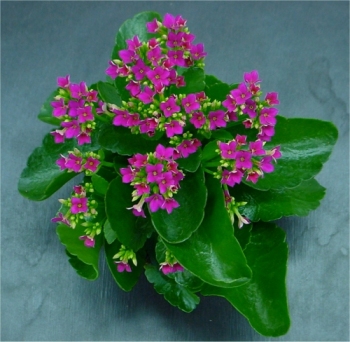
Cdpanic at English Wikipedia · CC BY-SA 3.0 · Photo source · shows: Kalanchoe

Kalanchoe spp
Also known as: Mother-In-Law-Plant, Devils Backbone, Chandelier Plant, Mother of Millions
Family: Crassulaceae · ASPCA plant record
Verdict at a glance
Evidence by animal
| Animal | Verdict | Basis | Plant parts | Sources | Evidence link |
|---|---|---|---|---|---|
| Companion mammals | |||||
| Cats | Cats: ⚠ Toxic | Not specified | ASPCA Toxic and Non-Toxic Plants Poison control | evidence | |
| Dogs | Dogs: ⚠ Toxic | Not specified | ASPCA Toxic and Non-Toxic Plants Poison control | evidence | |
| Small mammals | |||||
| Rabbits | Rabbits: ⚠ Toxic | Not specified | Merck Veterinary Manual Veterinary reference | evidence | |
| Rats | Rats: ⚠ Toxic | Not specified | Merck Veterinary Manual Veterinary reference | evidence | |
| Birds | |||||
| Pet birds (general) | Pet birds (general): ⚠ Toxic | AAV: listed as toxic to pet birds | Not specified | Association of Avian Veterinarians Veterinary reference | evidence |
Source excerpts
ASPCA Toxic and Non-Toxic Plants — Cats, Dogs
poison-control
Toxic to Dogs, Toxic to Cats
Source checked 2026-10-27
Read original sourceMerck Veterinary Manual — Houseplants and Ornamentals Toxic to Animals — Rabbits, Rats
veterinary-reference
Merck row: Kalanchoe spp (cardiac glycosides found in leaves)
depression, rapid breathing, teeth grinding, ataxia, paralysis, opisthotonos (rabbit), and death (rat).
Source checked 2026-10-27 (source updated Sept 2024 (full review Nov 2023))
Read original sourceAssociation of Avian Veterinarians — Protecting Your Pet Birds From Household Dangers — Pet birds (general)
veterinary-reference
AAV: listed as toxic to pet birds · AAV leaflet "Protecting Your Pet Birds From Household Dangers" (the list "is not exhaustive").
There are reports of birds being poisoned after eating Crown vetch (Coronilla varia), Rhododendron species, and Kalanchoe species.
Source checked 2026-10-27
Read original sourceAvian toxicoses: a review (Frontiers in Veterinary Science, 2025) — Pet birds (general)
peer-reviewed
Review section "Toxic plants (miscellaneous)" on pet birds.
Many ornamental plants are toxic, such as Coronilla varia, Ericaceae family (for example Rhododendron spp.), Kalanchoe spp., Nerium oleander, Taxus media, Digitalis purpurea, and Euphorbia pulcherima (81).
Source checked 2026-10-27
Read original sourceNo evidence collected in this database yet for 18 animals
No evidence collected in this database yet for: Horses, Guinea pigs, Hamsters, Mice, Chinchillas, Ferrets, Parrots (macaws, Amazons, African greys…), Budgerigars (budgies), Cockatiels, Lovebirds, Canaries, Finches, Pigeons & doves, Tortoises, Bearded dragons, Iguanas, Goats, Chickens & other poultry
No supported claim has been collected for these animals. Not listed does not mean safe; do not infer suitability from another species.
Toxic principles
ASPCA, as published: Bufodienolides Source
Clinical signs
ASPCA, as published: Vomiting, diarrhea, abnormal heart rhythm (rare). Source
More from veterinary sources
Last verified (ASPCA record): 2026-10-27. Source access dates and limitations.
Similar plants (same family)
Shared family is not a shared verdict. Check each plant separately.