Tomato Plant
Not listed does not mean safe.
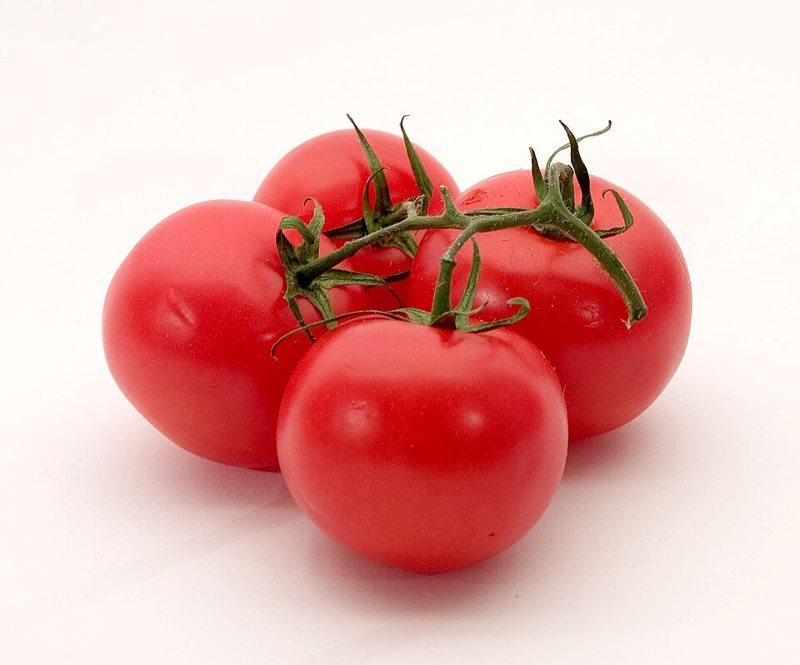
Softeis · CC BY-SA 3.0 · Photo source · shows: Tomato

Evidence by animal
| Animal | Verdict | Basis | Plant parts | Sources | Evidence link |
|---|---|---|---|---|---|
| Companion mammals | |||||
| Cats | Cats: ⚠ Toxic | Not specified | ASPCA Toxic and Non-Toxic Plants Poison control | evidence | |
| Dogs | Dogs: ⚠ Toxic | Not specified | ASPCA Toxic and Non-Toxic Plants Poison control | evidence | |
| Horses & livestock | |||||
| Horses | Horses: ⚠ Toxic | Not specified | ASPCA Toxic and Non-Toxic Plants Poison control | evidence | |
| Small mammals | |||||
| Rabbits | Rabbits: ⚠ Toxic | House Rabbit Society: listed as a common toxic plant | leaves | House Rabbit Society Rescue/education group | evidence |
| Guinea pigs | Guinea pigs: ! Caution | Oxbow: on the "never feed" list | stems, leaves and unripe tomatoes | Oxbow Animal Health Veterinary reference | evidence |
Source excerpts
ASPCA Toxic and Non-Toxic Plants — Cats, Dogs, Horses
poison-control
Toxic to Dogs, Toxic to Cats, Toxic to Horses
Source checked 2026-10-27
Read original sourceHouse Rabbit Society — National Pet Poison Prevention Week — Rabbits
rescue-education
House Rabbit Society: listed as a common toxic plant · leaves · HRS lists tomato (leaves).
Common toxic plants and plant parts include agave leaves, apple seeds, buttercup leaves, daffodils, holly (berries), hyacinths, irises, mistletoe (berries), sweet potato, and tomato (leaves)
Source checked 2026-10-27
Read original sourceOxbow Animal Health — Foods Guinea Pigs Should Never Eat — Guinea pigs
veterinary-reference
Oxbow: on the "never feed" list · stems, leaves and unripe tomatoes · Oxbow Animal Health "foods guinea pigs should never eat" (veterinary-reviewed article from a pet-food maker, not a poison-control centre).
The stems, leaves, and unripe tomatoes contain tomatine, a glycoalkaloid poison that can be harmful.
Source checked 2026-10-27 (source updated September 5, 2025)
Read original sourceNo evidence collected in this database yet for 18 animals
No evidence collected in this database yet for: Hamsters, Rats, Mice, Chinchillas, Ferrets, Pet birds (general), Parrots (macaws, Amazons, African greys…), Budgerigars (budgies), Cockatiels, Lovebirds, Canaries, Finches, Pigeons & doves, Tortoises, Bearded dragons, Iguanas, Goats, Chickens & other poultry
No supported claim has been collected for these animals. Not listed does not mean safe; do not infer suitability from another species.
Toxic principles
ASPCA, as published: Solanine Source
Clinical signs
ASPCA, as published: Hypersalivation, inappetence, severe gastrointestinal upset, depression, weakness, dilated pupils, slow heart rate; ripe fruit is non-toxic Source
Last verified (ASPCA record): 2026-10-27. Source access dates and limitations.
Similar plants (same family)
Shared family is not a shared verdict. Check each plant separately.