Buttercup
Not listed does not mean safe.
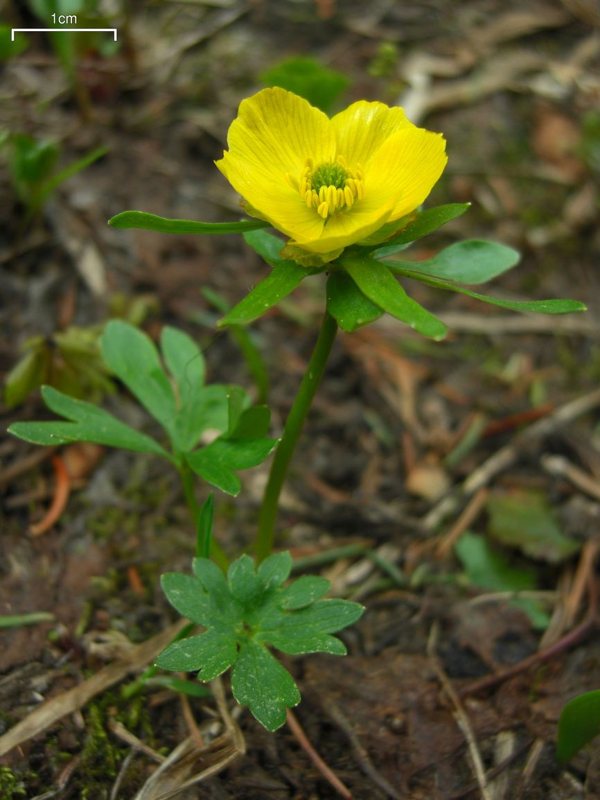
Jason Hollinger · CC BY 2.0 · Photo source · shows: Ranunculus

Ranunculus spp.
Also known as: Butter Cress, Figwort
Family: Ranunculaceae · ASPCA plant record
Verdict at a glance
Evidence by animal
| Animal | Verdict | Basis | Plant parts | Sources | Evidence link |
|---|---|---|---|---|---|
| Companion mammals | |||||
| Cats | Cats: ⚠ Toxic | Not specified | ASPCA Toxic and Non-Toxic Plants Poison control | evidence | |
| Dogs | Dogs: ⚠ Toxic | Not specified | ASPCA Toxic and Non-Toxic Plants Poison control | evidence | |
| Horses & livestock | |||||
| Horses | Horses: ⚠ Toxic | Not specified | ASPCA Toxic and Non-Toxic Plants Poison control | evidence | |
| Goats | Goats: ⚠ Toxic | Cornell: listed for this species | all | Cornell University University | evidence |
| Small mammals | |||||
| Rabbits | Rabbits: ⚠ Toxic | House Rabbit Society: listed as a common toxic plant; rabbit.org: listed as poisonous (not graded) | leaves | House Rabbit Society Rescue/education group House Rabbit Society (rabbit.org) Rescue/education group | evidence |
| Reptiles | |||||
| Tortoises | Tortoises: ! Caution | Tortoise Trust: listed as toxic, degree uncertain | Not specified | Tortoise Trust Specialist charity | evidence |
Source excerpts
ASPCA Toxic and Non-Toxic Plants — Cats, Dogs, Horses
poison-control
Toxic to Dogs, Toxic to Cats, Toxic to Horses
Source checked 2026-10-27
Read original sourceHouse Rabbit Society — National Pet Poison Prevention Week — Rabbits
rescue-education
House Rabbit Society: listed as a common toxic plant · leaves · House Rabbit Society names the plant (part) in its list of common toxic plants; parts matter (e.g. apple seeds, holly berries).
Common toxic plants and plant parts include agave leaves, apple seeds, buttercup leaves, daffodils, holly (berries), hyacinths, irises, mistletoe (berries), sweet potato, and tomato (leaves)
Source checked 2026-10-27
Read original sourceHouse Rabbit Society (rabbit.org) — Poisonous Plants — Rabbits
rescue-education
rabbit.org: listed as poisonous (not graded) · rabbit.org list "Poisonous Plants" (compiled by the University of Illinois): plants "normally thought to be poisonous"; "others may cause a reaction in some but not in others". Not a graded risk.
Buttercup
Source checked 2026-10-27
Read original sourceTortoise Trust — Toxic Plants and Tortoises — Tortoises
specialist-charity
Tortoise Trust: listed as toxic, degree uncertain · Tortoise Trust toxic-plant list (from Highfield 2001): "Some plants on this list may be safely consumed in small or moderate quantities, but may be fatally toxic under certain circumstances or in large doses"; exact degree of toxicity unknown.
Buttercup
Source checked 2026-10-27
Read original sourceCornell University — Plants Poisonous to Livestock — Goats
university
Cornell: listed for this species · all · Cornell lists Ranunculus spp.; parts poisonous: all; poison: protoanemonin.
Ranunculus spp. | Buttercup, Crowfoot | cattle, goats, horses | all | protoanemonin
Source checked 2026-10-27
Read original sourceNo evidence collected in this database yet for 17 animals
No evidence collected in this database yet for: Guinea pigs, Hamsters, Rats, Mice, Chinchillas, Ferrets, Pet birds (general), Parrots (macaws, Amazons, African greys…), Budgerigars (budgies), Cockatiels, Lovebirds, Canaries, Finches, Pigeons & doves, Bearded dragons, Iguanas, Chickens & other poultry
No supported claim has been collected for these animals. Not listed does not mean safe; do not infer suitability from another species.
Toxic principles
ASPCA, as published: Protoanemonin (an irritant) Source
Clinical signs
ASPCA, as published: Vomiting, diarrhea, depression, anorexia, hypersalivation, oral ulcers and wobbly gait. Source
Last verified (ASPCA record): 2026-10-27. Source access dates and limitations.
Similar plants (same family)
Shared family is not a shared verdict. Check each plant separately.