English Holly
Not listed does not mean safe.
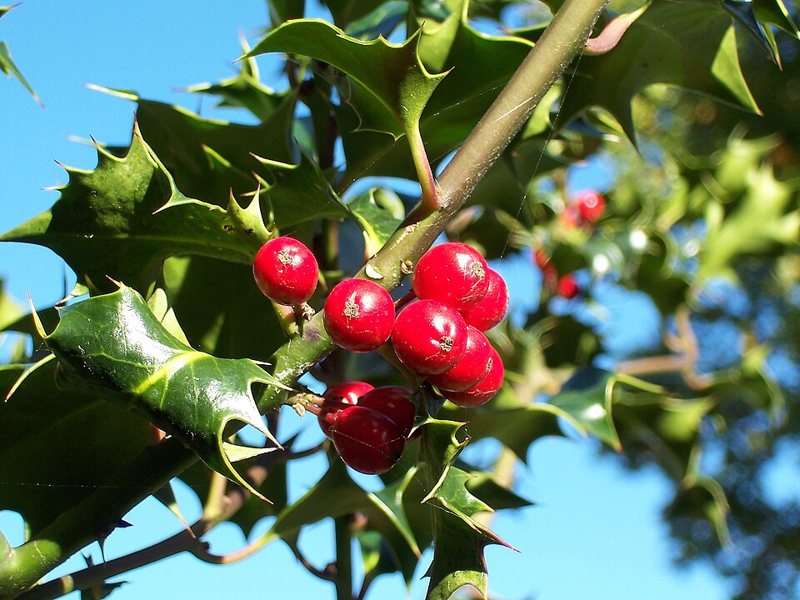
Jürgen Howaldt · CC BY-SA 2.0 de · Photo source · shows: Ilex aquifolium

Ilex aquifolium
Also known as: European Holly, Oregon Holly, Inkberry, Winterberry, American Holly
Family: Aquifoliaceae · ASPCA plant record
Verdict at a glance
Evidence by animal
| Animal | Verdict | Basis | Plant parts | Sources | Evidence link |
|---|---|---|---|---|---|
| Companion mammals | |||||
| Cats | Cats: ⚠ Toxic | Not specified | ASPCA Toxic and Non-Toxic Plants Poison control | evidence | |
| Dogs | Dogs: ⚠ Toxic | Not specified | ASPCA Toxic and Non-Toxic Plants Poison control | evidence | |
| Horses & livestock | |||||
| Horses | Horses: ⚠ Toxic | Not specified | ASPCA Toxic and Non-Toxic Plants Poison control | evidence | |
| Small mammals | |||||
| Rabbits | Rabbits: ⚠ Toxic | House Rabbit Society: listed as a common toxic plant | berries | House Rabbit Society Rescue/education group | evidence |
Source excerpts
ASPCA Toxic and Non-Toxic Plants — Cats, Dogs, Horses
poison-control
Toxic to Dogs, Toxic to Cats, Toxic to Horses
Source checked 2026-10-27
Read original sourceHouse Rabbit Society — National Pet Poison Prevention Week — Rabbits
rescue-education
House Rabbit Society: listed as a common toxic plant · berries · House Rabbit Society names the plant (part) in its list of common toxic plants; parts matter (e.g. apple seeds, holly berries).
Common toxic plants and plant parts include agave leaves, apple seeds, buttercup leaves, daffodils, holly (berries), hyacinths, irises, mistletoe (berries), sweet potato, and tomato (leaves)
Source checked 2026-10-27
Read original sourceNo evidence collected in this database yet for 19 animals
No evidence collected in this database yet for: Guinea pigs, Hamsters, Rats, Mice, Chinchillas, Ferrets, Pet birds (general), Parrots (macaws, Amazons, African greys…), Budgerigars (budgies), Cockatiels, Lovebirds, Canaries, Finches, Pigeons & doves, Tortoises, Bearded dragons, Iguanas, Goats, Chickens & other poultry
No supported claim has been collected for these animals. Not listed does not mean safe; do not infer suitability from another species.
Toxic principles
ASPCA, as published: Saponins Source
Clinical signs
ASPCA, as published: Vomiting, diarrhea and depression. Leaves and berries are low toxicity. Source
More from veterinary sources
Last verified (ASPCA record): 2026-10-27. Source access dates and limitations.