English Ivy
Not listed does not mean safe.
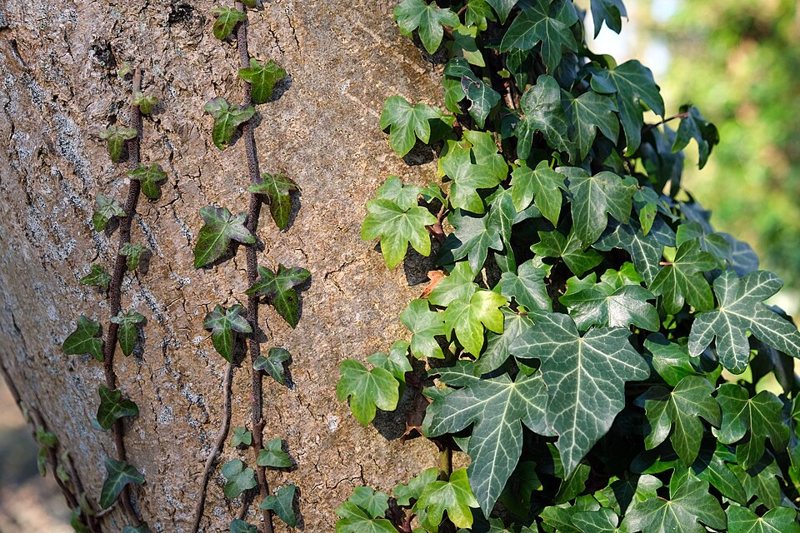
kallerna · CC BY-SA 4.0 · Photo source · shows: Hedera helix

Hedera helix
Also known as: Branching Ivy, Glacier Ivy, Needlepoint Ivy, Sweetheart Ivy, California Ivy
Family: Araliaceae · ASPCA plant record
Verdict at a glance
Each tile reflects collected claims for that animal. Missing animals are listed below.
Evidence by animal
| Animal | Verdict and evidence |
|---|---|
| Companion mammals | |
| 🐱 Cats | Cats: ⚠ Toxic
ASPCA Toxic and Non-Toxic Plants — ⚠ ToxicToxic to Dogs, Toxic to Cats, Toxic to HorsesRead original source |
| 🐶 Dogs | Dogs: ⚠ Toxic
ASPCA Toxic and Non-Toxic Plants — ⚠ ToxicToxic to Dogs, Toxic to Cats, Toxic to HorsesRead original source |
| Horses & livestock | |
| 🐴 Horses | Horses: ⚠ Toxic
ASPCA Toxic and Non-Toxic Plants — ⚠ ToxicToxic to Dogs, Toxic to Cats, Toxic to HorsesRead original source |
| Small mammals | |
| 🐰 Rabbits | Rabbits: ⚠ Toxic
Wisconsin House Rabbit Society — Classes of Toxic Plants — ⚠ ToxicEnglish Ivy Wisconsin House Rabbit Society chapter list (G. Flentke, 2012): Class 1 — "Do NOT expose rabbits to these plants." Read original source |
| Birds | |
| 🦜 Pet birds (general) | Pet birds (general): ! Caution
VCA Animal Hospitals — Plants That Are Toxic to Birds — ! CautionEnglish Ivy VCA: on the list of "many plants which may be poisonous to birds, although it is not exhaustive"; no asterisk, so not specifically reported harmful in birds. VCA notes information is often inferred from other species. Read original source |
| Reptiles | |
| 🐢 Tortoises | Tortoises: ! Caution
Tortoise Trust — Toxic Plants and Tortoises — ! CautionEnglish ivy Tortoise Trust toxic-plant list (from Highfield 2001): "Some plants on this list may be safely consumed in small or moderate quantities, but may be fatally toxic under certain circumstances or in large doses"; exact degree of toxicity unknown. Read original source |
No reliable data for 17 animals
No reliable data for: Guinea pigs, Hamsters, Rats, Mice, Chinchillas, Ferrets, Parrots (macaws, Amazons, African greys…), Budgerigars (budgies), Cockatiels, Lovebirds, Canaries, Finches, Pigeons & doves, Bearded dragons, Iguanas, Goats, Chickens & other poultry
No supported claim has been collected for these animals. Not listed does not mean safe; do not infer suitability from another species.
Toxic principles
ASPCA, as published: Triterpenoid saponins (hederagenin) Source
Clinical signs
ASPCA, as published: Vomiting, abdominal pain, hypersalivation, diarrhea. Foliage is more toxic than berries Source
Last verified (ASPCA record): 2026-10-26. Source access dates and limitations.
Similar plants (same family)
Shared family is not a shared verdict. Check each plant separately.